Gummy Bear Implants Before & Afters
Warning:
This gallery contains nudity. Please click OK to confirm you are at least 18 years of age and are not offended by this material.
Ok
Dr. Teitelbaum is one of the most knowledgeable surgeons in the world about cohesive breast implants, known more commonly as "the gummy bear breast implant." He has used over 1500 of these breast implants and has followed them closely in his own patients since 2001.
He completed more breast augmentations with the Natrelle Style 410 breast implant in 2012 than any other surgeon in the United States. He developed training materials for the manufacturers of these breast implants to teach other surgeons how to use these implants. And he has taught hundreds of other surgeons how to use these implants at instructional courses on five continents.
"Highly cohesive", "form stable", and "gummy bear" are terms used to describe a variety of exciting new breast implants. Actually, these implants have been available in much of the world since 1992. The US clinical trials for these implants began in 2001, and in February 2013 they received FDA approval. So while they are new and exciting to us, they are already old news to patients and surgeons in Europe, South America, and much of Asia.
Dr. Teitelbaum has one of the longest and broadest clinical experiences with these implants of any plastic surgeon in the United States.
He has followed patients with these for over ten years, through pregnancies, weight gain and losses, and simply the effects of time. This invaluable experience gives him substantial insights into how to get the most out of these implants to meet the desires of his patients.
Each of the three manufacturers who have these implants in the United States had to carry out a trial of these implants for the FDA. Dr. Teitelbaum is the only surgeon in all of California to have used all three types of these implants. His experience in sizing and selecting these implants lead him to develop a device that helps a surgeon select the ideal size and shape of a cohesive implant, for which he was awarded a US patent.
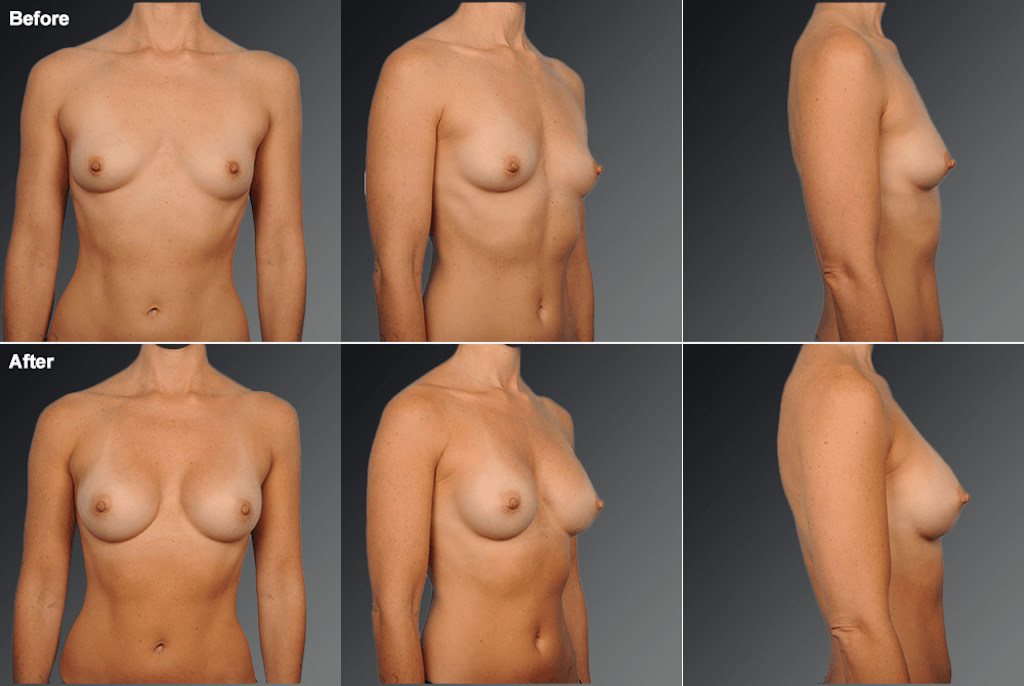
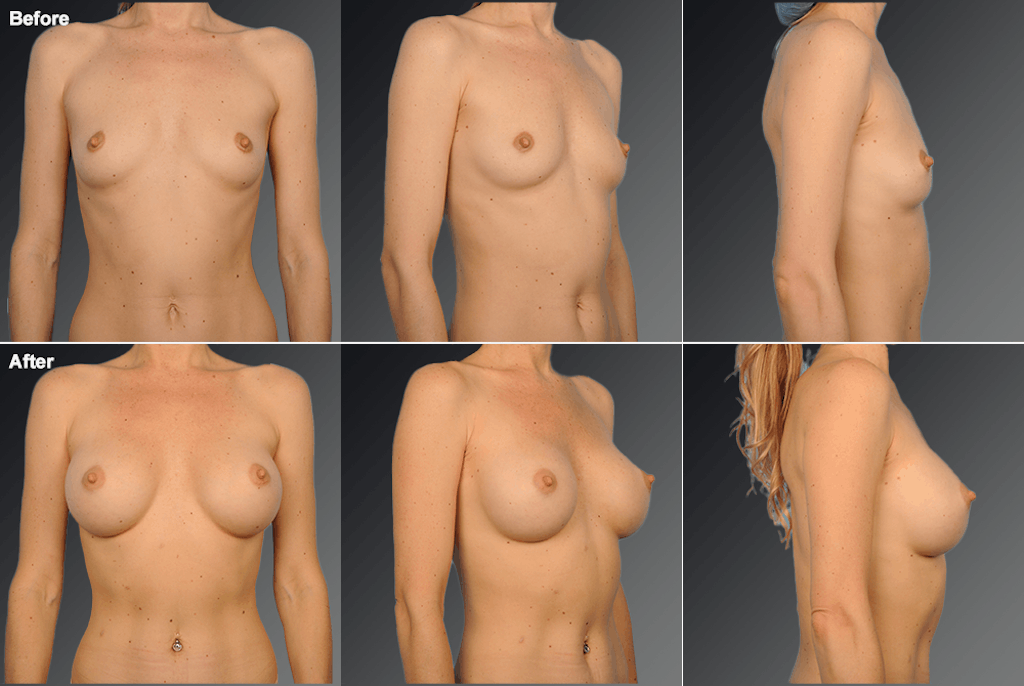
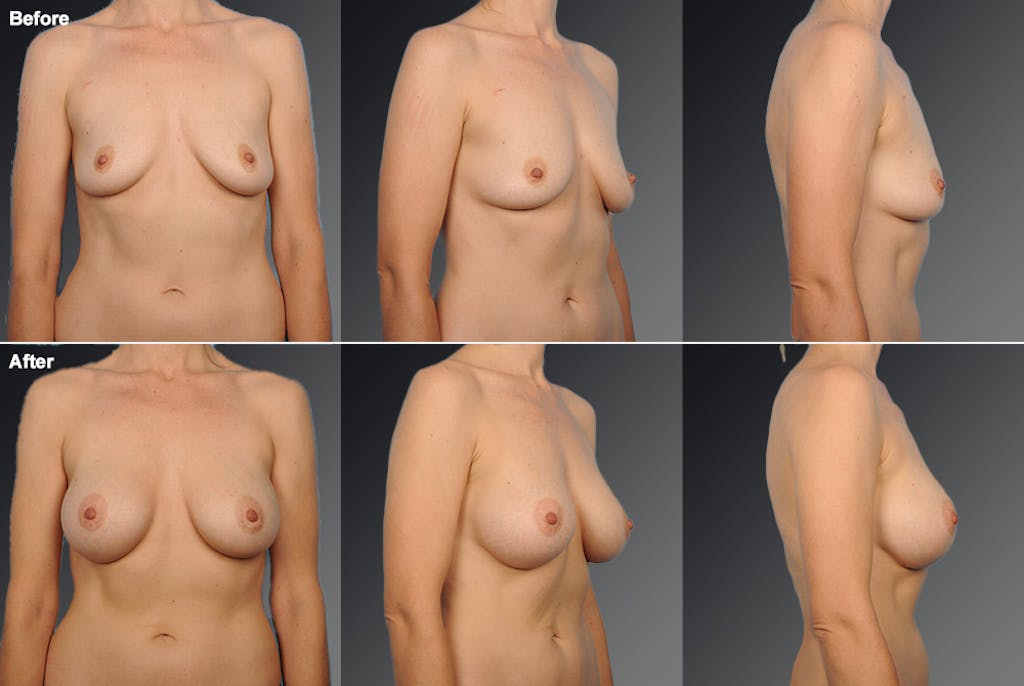
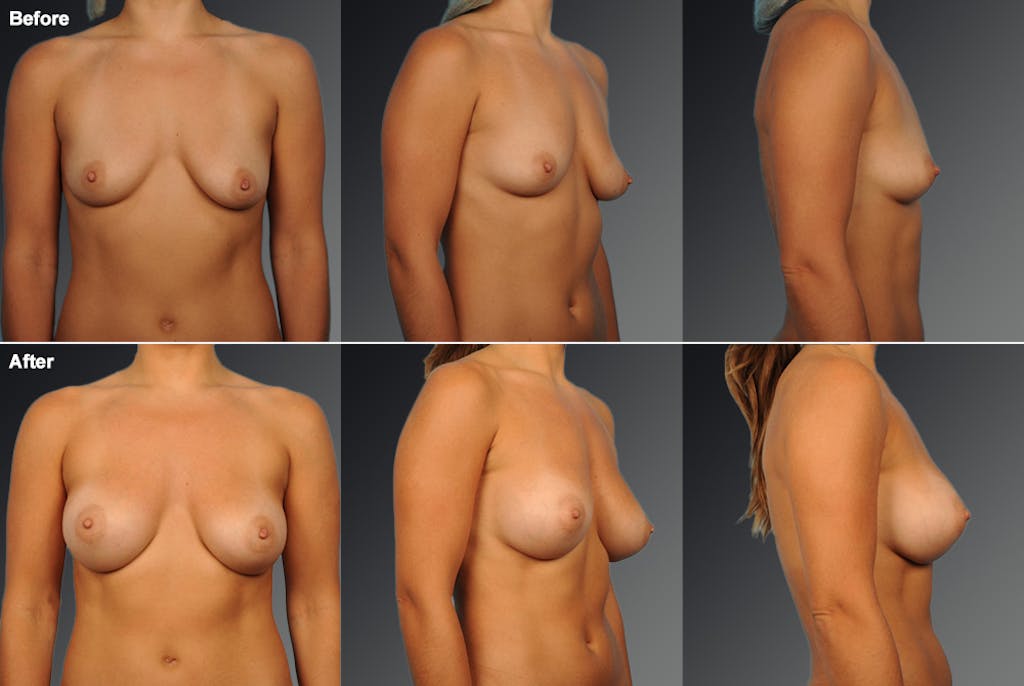
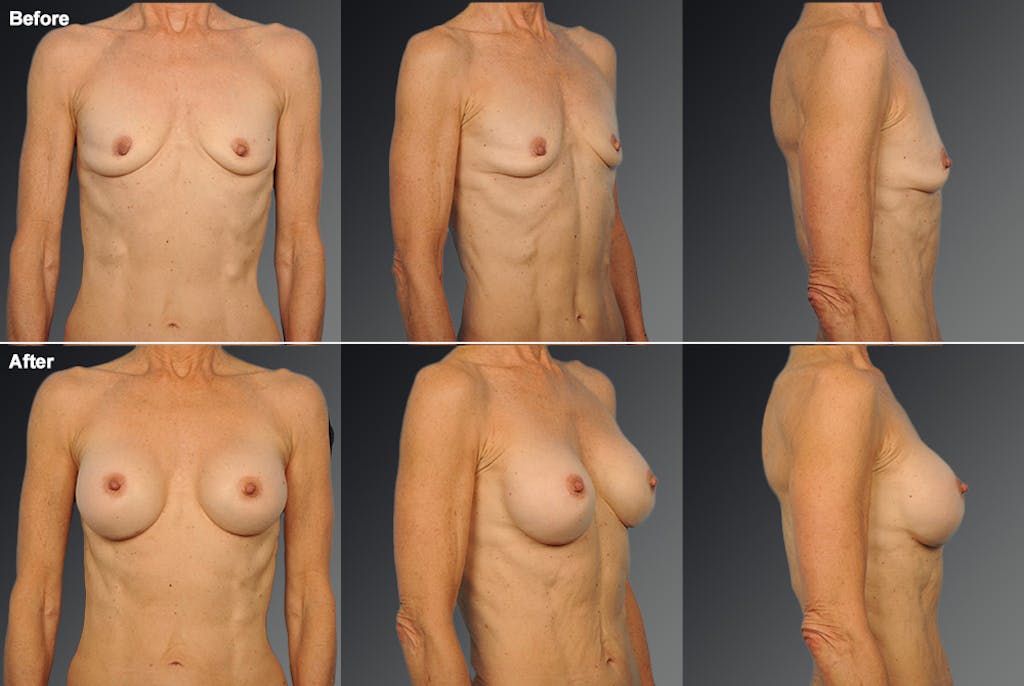
Much of Dr. Teitelbaum's life over the past decade has been devoted to these implants. His opinions on these have been sought after by implant manufacturers and surgeons. But most important of all is the gorgeous results he can achieve for his patients with these implants. In the photo galleries on these pages, you will see photographs that demonstrate Dr. Teitelbaum's tremendous ability to shape gorgeous breasts in a wide variety of body types with gummy bear implants.
Great breast augmentation results come from the surgeon, not the breast implant
While cohesive implants are excellent and have certain advantages, a great breast augmentation is about the surgeon and not the implant. No breast implant guarantees a great shape, freedom from rippling, avoidance of hardening, or any other problem that can occur. Gorgeous breasts are created through outstanding surgery.
While understanding that the inherent advantages of these implants may help you achieve a better result, do not allow just the enthusiasm around them alone to sway you. Satisfied patients with cohesive gel implants have learned the advantages and disadvantages of these implants and decided that they are right for them.

Women looking for beautiful breasts should always insist upon breast implants that are the best fit for their breast envelope, and this holds particularly true for gummy bear breast implants. The advantages of implants such as the Natrelle Style 410 and the Mentor CPG are numerous. At your consultation, Dr. Teitelbaum can give you his opinion as to their suitability for you.
In the 1980s, there was a popular teardrop shaped implant called the Surgitek. It had a nice teardrop shape, thin on the top, and thick at the bottom. It was covered with a thick polyurethane layer outside of the silicone shell, and when you held it in your hand it felt like it would maintain its shape. When initially implanted, the results were gorgeous. But soon it lost that great shape. The problem was that the polyurethane foam on the outside of the implant dissolved. The implant shell underneath was not stiff enough to control the shape of the gel within it. Gravity then pulled the relatively thin gel down to the bottom of the shell, shortening its height, overfilling the bottom, which lead to folds and ultimately breakage along those folds with leakage of a relatively liquidy gel into the breast.
The goal was to create a gel breast implant that could maintain that shape over time and resist breakage. It was clear that the shell alone could not do it: the gel itself would have to be able to hold its own shape. The answer was "cohesive gel." (In the years since then, manufacturers have claimed that "all implants are cohesive." While true in part, it created confusion, so now we use the term "highly cohesive" to refer to that type of gel.)
That crosslinking between the molecules of silicone make it a bit thicker and firmer, enabling it to maintain its shape. The term "form stable" refers to the tendency of these implants to have a constant shape. But if an implant were truly form stable, it would feel unacceptably firm. So though this term is often used, no implant is truly form stable. Dr. Teitelbaum prefers describing them as "relatively form stable" as compared to implants with less cohesive fill whose shape can easily be deformed.
Once a gel was developed that could hold a shape, it became possible to make a great number of shapes in a particular volume. One manufacturer even has twelve shapes for each given volume. This gives the surgeon unprecedented control of breast shape, allowing greater possibilities in creating a shape that is most attractive for a woman or to correct preexisting deformities of a woman's own breast shape.
A key concept that Dr. Teitelbaum teaches other plastic surgeons is that, "A regular breast implant is shaped by the breast; a highly cohesive implant shapes the breast."