What Is Drooping?

Drooping, also known as ptosis, is the visible sagging of breast tissue after an augmentation. Most often, this sagging is due to ptosis that existed prior to the augmentation, but was not treated with a comprehensive breast lift. Large implants can exacerbate pre-existing drooping, leading to a more intensive breast lift procedure later on.

Sometimes, large implants alone can cause drooping. A high-riding implant can also cause an upper bulge, leading the natural breast tissue to slide to the bottom of the implant and prompting the nipple to point downward.

Symptoms of Drooping

Drooping can affect both the appearance and proportion of your breasts, often becoming more noticeable over time. Many patients do not experience sagging until they’ve had their breast implants for multiple years. Common signs of ptosis with breast implants include the following:

  • Breasts that appear lower on the chest
  • Downward-pointing nipples
  • Loss of upper fullness despite prior correction with implants
  • A separation between the implant position and your natural breast tissues
  • A lower breast fold or stretched skin

If your drooping is related to a high-riding implant, you may notice heaviness in your chest below the implant, or abnormal bulging toward the top of the chest.

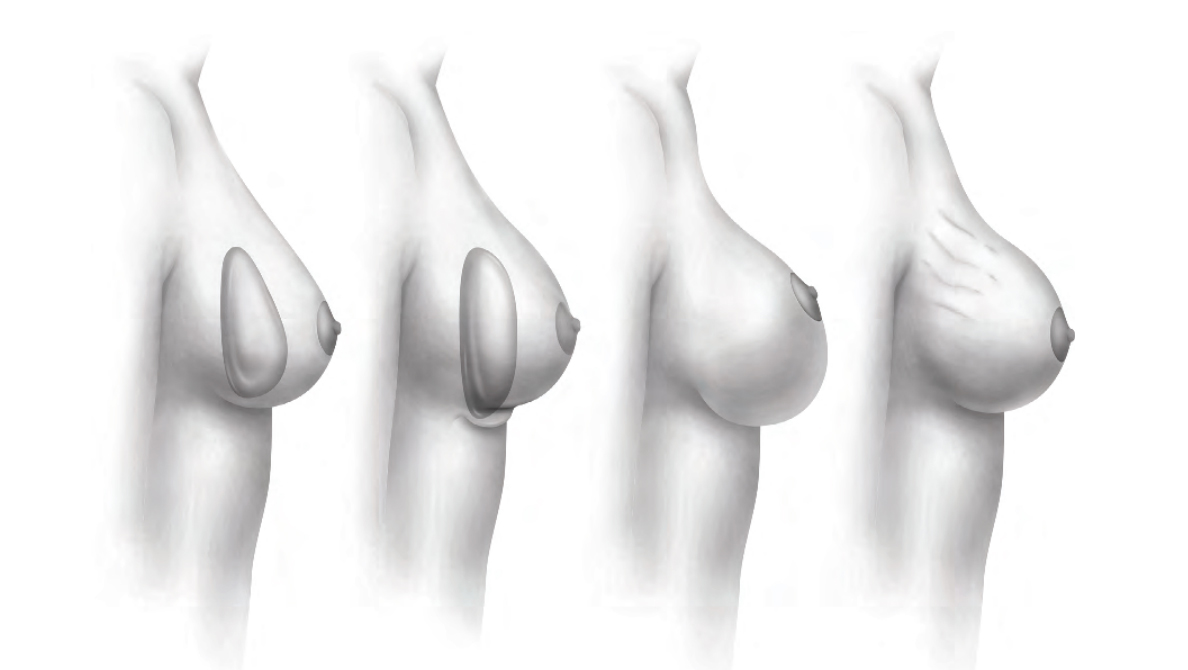
breast drooping illustration

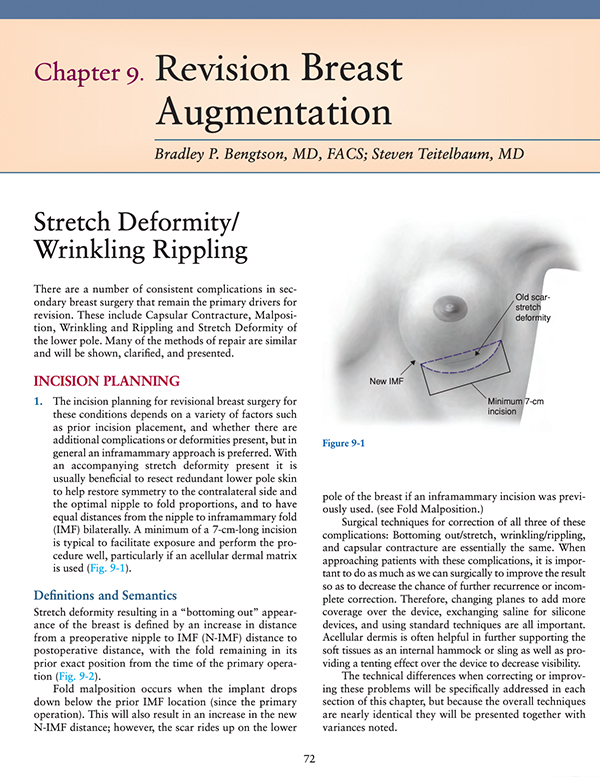
This illustration from one of Dr. Teitelbaum’s book chapters demonstrates the difference between three closely related problems: fold malposition, stretch, and rippling.

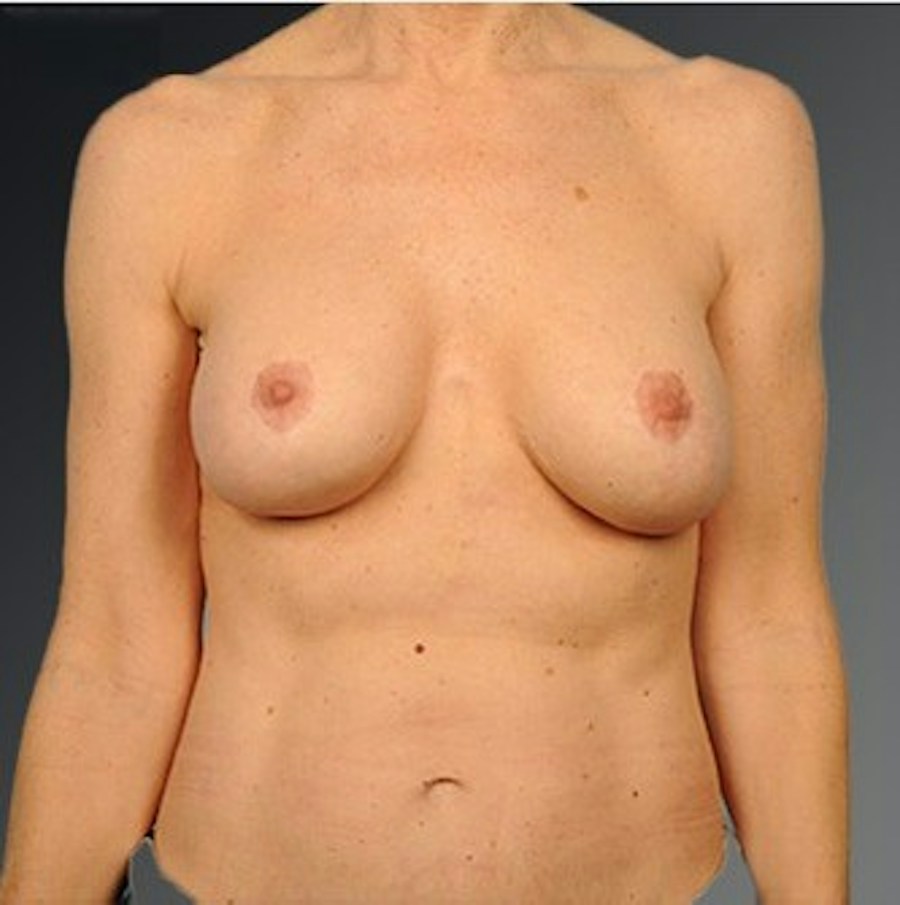
woman's nude body

How to Know If You’re Experiencing Drooping

No tests or screenings are necessary to diagnose breast drooping. Most often, ptosis is identified through a physical examination and a visual assessment at Dr. Teitelbaum’s Los Angeles office. Most patients do not notice changes in their breasts at first, making it difficult to determine if you’re experiencing ptosis or another implant issue. You may be experiencing ptosis if you fit the following criteria:

  • Your breasts appear lower than expected after an augmentation
  • Your nipples sit at or below the breast crease
  • The implant and natural tissue appear misaligned or separated
  • Your breasts lack a lifted or supported shape
article

Dr. Teitelbaum has co-authored a chapter which includes a description of how to fix breasts with implants that have stretched.

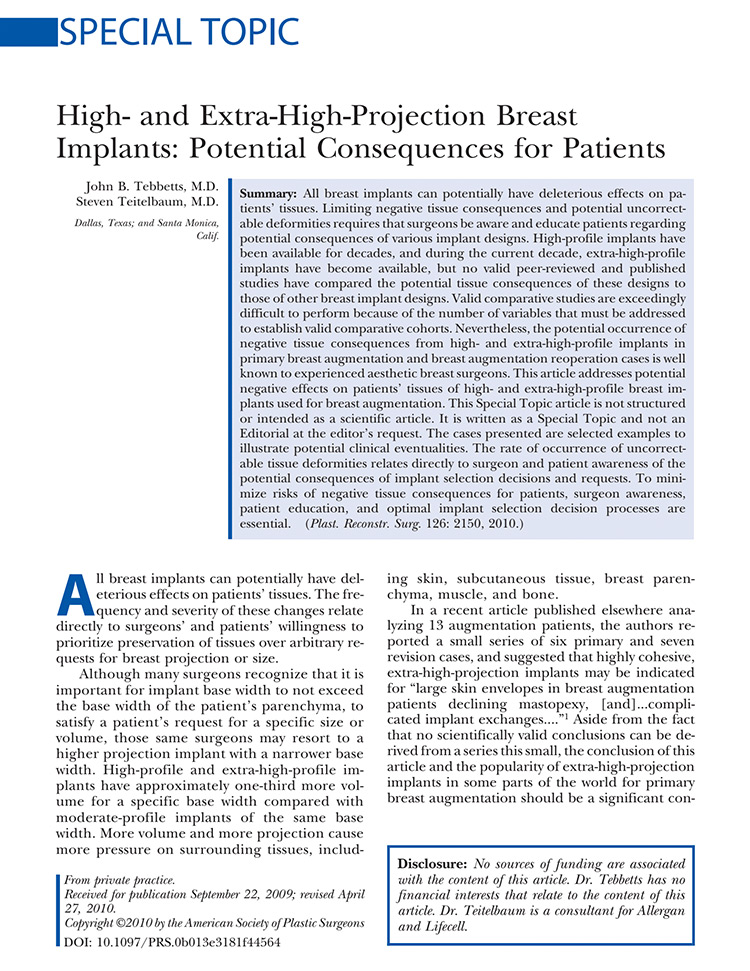
article

This important article presented for the first time a description of the destruction a large implant can do to the breast tissue, which can lead to thinning, stretch, rippling, and drooping.

Before & After Breast Implant Revision

Adult content

I am 18+ years old

Hub patient media
Banner media

Why Choose Dr. Teitelbaum?

With over three decades of experience, Dr. Teitelbaum is widely recognized as one of the world's leading breast plastic surgeons. His research and methodologies for breast revision surgery have been published in textbooks used by medical students across the United States.


Leading With Clinical Excellence

Dr. Teitelbaum received his doctorate from the UCLA School of Medicine, where he now serves as an Associate Clinical Professor of Plastic Surgery. He also completed his residency at Harvard University and earned two board certifications in General Surgery and Plastic Surgery. Dr. Teitelbaum opened his private practice in 1995 to bring high-quality, science-driven aesthetic surgery to patients in Los Angeles and the surrounding area. Since beginning his career, Dr. Teitelbaum has lectured peers and students on five continents, sharing his cutting-edge knowledge and techniques worldwide. He’s published his research in peer-reviewed journals like Plastic and Reconstructive Surgery and the Aesthetic Surgery Journal, and he’s earned prestigious memberships and leadership positions in the following professional organizations:

  • Aesthetic Surgery Education and Research Foundation, 2016-2017 President
  • California Society of Plastic Surgeons, Treasurer and Legislative Committee Chair
  • Aesthetic Surgery Education and Research Foundation, Board Member

A Patient-First Philosophy

As a patient, you’ll feel Dr. Teitelbaum’s passion for plastic surgery from your first consultation to your final follow-up and beyond. He’s dedicated to ensuring his patients feel heard and understood while under his care, and he’s committed to being a genuine pillar of support as you cope with and treat breast implant issues like ptosis. Every procedure is performed at his exclusive, accredited surgical center, and Dr. Teitelbaum’s focus remains on delivering natural-looking, subtle results without gimmicks or trendy treatments.

Schedule A Consultation

(310) 315-1121 Contact Us
Contact us media

Your Confidential Consultation

No matter the concern, every patient’s journey with Dr. Teitelbaum begins with a private, one-on-one consultation at his Los Angeles office. There, you’ll discuss your symptoms, concerns, and surgical history, and Dr. Teitelbaum will complete an in-depth physical examination to confirm your diagnosis. He’ll then begin building a customized surgical plan that addresses the root cause of your drooping, and you’ll work together to choose your new implants, if necessary.

How Dr. Teitelbaum Treats Drooping

For most patients, the primary treatment for drooping is a breast lift, especially if they’re dealing with excess skin or a low nipple. Breast lifts result in more scarring than a standard augmentation, but Dr. Teitelbaum offers multiple lift variations and incision placements to minimize their visibility long-term.

If your drooping is caused by an implant sitting too high on the chest, Dr. Teitelbaum will fully remove the implant and surrounding scar tissue. Your replacement implant will be placed lower on the chest to push your existing breast tissue outwards and upwards, creating a more natural-looking shape.

Doctor media

Gentle, Patient-Centered Recovery

Recovery after a breast lift to address drooping will depend on the surgical complexity, extent of correction, and whether you received new implants or just adjusted your current ones. Most patients can expect mild swelling, tightness, and bruising along the chest, which should fade within one week. You’ll be able to resume light movement, including walking and desk work, within several days, but you’ll need to avoid strenuous activities for at least two months to support your healing. After your procedure, Dr. Teitelbaum will provide you with a list of aftercare instructions, which should include the following items:

  • Incision site care and cleaning protocols
  • Surgical drain maintenance, if applicable
  • Hygiene recommendations
  • Supportive garment guidance
  • Activity limitations
  • Sleep position restrictions
  • Swelling and pain management strategies

Over the coming weeks, you’ll return to Dr. Teitelbaum’s office for several follow-up visits to monitor your healing and ensure your ptosis has not returned. There, Dr. Teitelbaum will examine your breasts, remove any remaining sutures or surgical drains, and approve you for impactful exercise once you’ve healed properly.

Drooping FAQs

Do I always need a breast lift to correct drooping?

Most patients will require a breast lift to address drooping, especially if excess skin or a low nipple position are present. If your ptosis is solely due to a high-riding implant, an implant adjustment may be enough to correct sagging.

Can drooping come back after surgery?

Natural aging and gravity can create minor sagging in the future, but significant ptosis should not return. If you notice drooping after your lift, it may point to a larger issue with your implant choice or breast tissue.

Will I have visible scarring after a breast lift to correct ptosis?

Yes. Breast lift procedures create more scars than standard augmentations. Dr. Teitelbaum strategically places incisions along the natural curves of the breasts to minimize the visibility of scars after healing.

References

Accessibility: If you are vision-impaired or have some other impairment covered by the Americans with Disabilities Act or a similar law, and you wish to discuss potential accommodations related to using this website, please contact our Accessibility Manager at (310) 315-1121.
Contact Us