What Is Symmastia?

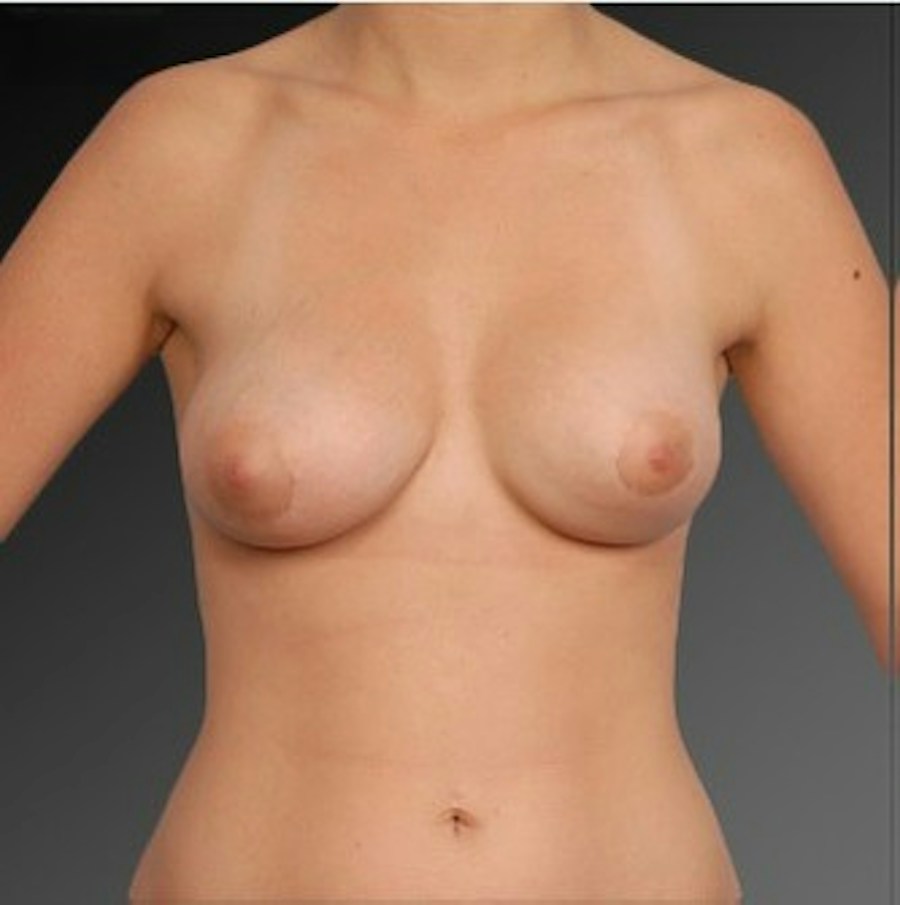
Symmastia, also called a “uniboob,” occurs when the breast implants are too close together, creating an unnatural shape. With symmastia, the skin over the breastbone lifts or tents, creating a merged appearance without any separation between the breasts.

Some patients experience mild symmastia, where there’s a mild loss of natural cleavage, while others deal with severe malpositioning where the implants appear to touch or cross the midline. This condition can only be treated with breast revision surgery to adjust or replace the breast implants.

woman pulling her dress strap up

Symptoms of Symmastia

While symmastia may not cause any physical pain, it causes significant changes in the appearance of the breasts. Patients experiencing symmastia may notice the following:

  • Loss of natural separation between the breasts
  • Skin tenting or lifting over the breastbone
  • Implants that appear too close together or joined
  • Nipples pointing outward
  • A “uniboob” appearance when wearing tight clothing
  • Difficulty achieving a comfortable bra fit
  • Cleavage that appears overly full or unnatural
  • Irritation along the inner breasts from excess friction
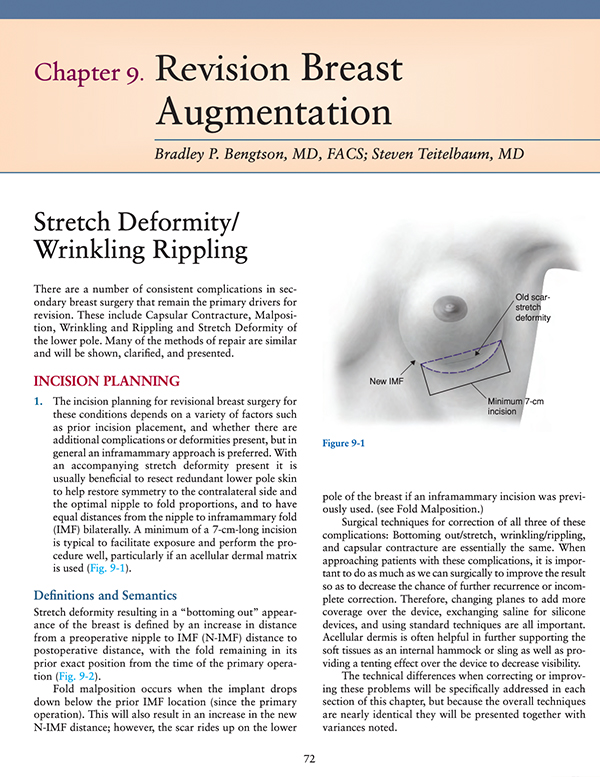
article

What Causes Symmastia?

Symmastia is typically caused by improper implant placement during a primary breast augmentation, though it can be exacerbated by a patient’s natural anatomy. Common causes of symmastia include the following:

  • Over-Dissection of the Implant Pocket: When the pocket is created too close to the midline of the breast, the implants can migrate toward each other, creating a joined appearance.
  • Excessively Large Implants: Implants that are too large for a patient's body place immense pressure on the surrounding tissues, pushing themselves toward the center of the chest.
  • Weak or Thin Tissue: Naturally weak or thin breast tissue may not provide sufficient support for a breast implant, leading to symmastia over time.
  • Anatomical Variations: Differences in the shape of your chest wall, such as a depressed breastbone, can cause your implants to move inward.
  • Post-Surgical Movement: As healing progresses, the breast tissues can settle improperly and allow the implants to shift inwards, further weakening the breast tissue.

View Article

Before & After Breast Implant Revision

Adult content

I am 18+ years old

Hub patient media
Banner media

Why Choose Dr. Teitelbaum?

As one of the leading plastic surgeons in Los Angeles and beyond, Dr. Steven Teitelbaum helps patients achieve balanced, beautiful results with breast revisions that look natural and are proportionate with their figures. He’s worked with every type, size, and shape of implant available and has performed thousands of successful revision procedures at his exclusive surgical center.


Leading With Clinical Excellence

Prior to opening his private practice in 1995, Dr. Teitlebaum received his doctorate from the UCLA School of Medicine and completed his residency at Harvard University, earning him a double board certification in General Surgery and Plastic Surgery. In addition to working with patients, he also serves as an Associate Clinical Professor of Plastic Surgery at the UCLA School of Medicine, reflecting his commitment to uplifting the next generation of surgeons. Over the course of his 30+ years in practice, Dr. Teitelbaum has given lectures on five continents and has conducted breast implant research with the FDA, furthering the field of breast revision surgery. His research has been published in peer-reviewed journals like the Aesthetic Surgery Journal and Plastic and Reconstructive Surgery, and he’s earned memberships and leadership positions in the following prestigious organizations:

  • Aesthetic Surgery Education and Research Foundation, 2016-2017 President
  • California Society of Plastic Surgeons, Treasurer and Legislative Committee Chair
  • Aesthetic Surgery Education and Research Foundation, Board Member

A Patient-First Philosophy

Dr. Teitelbaum has a worldwide reputation for delivering high-quality, natural-looking results without gimmicks or trendy treatments. He and his licensed team, which includes a Harvard-trained anesthesiologist, lead with transparency, integrity, and trust every step of the way. Here, the focus is on getting patients their ideal results through safe, effective, and satisfactory procedures.

Schedule A Consultation

(310) 315-1121 Contact Us
Contact us media

Your Confidential Consultation

Ahead of your breast revision surgery in Los Angeles, you’ll have a one-on-one consultation with Dr. Teitelbaum to identify the root cause of your symmastia. There, you’ll discuss your symptoms, aesthetic concerns, and surgical history, and Dr. Teitelbaum will perform a physical examination to determine the cause of your malpositioning. Then he’ll begin building a customized surgical plan to address your concerns.

How Dr. Teitelbaum Treats Symmastia

To correct symmastia, Dr. Teitelbaum will perform a specialized breast revision surgery tailored to your body’s needs and the exact circumstances of your symmastia. Depending on your case, your treatment may include any of the following steps:

  • Adjustment or closure of the implant pocket
  • Creation of a new implant pocket
  • Use of an acellular dermal matrix (ADM) to support the breast tissue
  • Implant adjustment or replacement

Each breast revision is designed to go beyond just correcting symmastia and restore natural-looking separation, symmetry, and proportion to your figure.

Doctor media

High-Touch Recovery in Los Angeles

Recovery after correcting symmastia is similar to that of a primary breast augmentation. Many patients experience mild swelling, soreness, and tightness around the breast, which should resolve within several days. Light movement is encouraged early to promote blood flow and reduce swelling, but you’ll need to avoid strenuous exercise for up to two months to allow the breast tissue to settle. After your procedure, Dr. Teitelbaum will share extensive aftercare instructions to support your healing. This list may include the following items:

  • Incision site care and cleaning protocols
  • Supportive garment guidance
  • Activity limitations
  • Hygiene recommendations
  • Sleep position restrictions
  • Swelling and pain management strategies

You’ll return to Dr. Teitelbaum’s Los Angeles office several times over the coming months for follow-up appointments with his team. There, he’ll check your healing progress, ensure your implants remain in place, and approve you for high-impact activities when appropriate.

Other Types of Malpositioning

Symmastia is one of the more common types of breast implant malposition. Depending on your anatomy, you may experience symmastia alone or alongside one of the following forms of malpositioning:

  • Superior malposition, where the implant sits too high
  • Inferior malposition, where the implant sits too low
  • Lateral malposition, where implants shift to the sides
  • Asymmetrical malposition, where each implant sits differently on the chest
Banner media

Symmastia FAQs

Is symmastia dangerous?

No. Symmastia poses no medical risk and is primarily an aesthetic concern. You may experience minor irritation along the inner breast area from friction, but this is uncommon.

Will I need smaller implants to fix my symmastia?

Switching your implants for a smaller size is not necessary to correct symmastia. Your correction options will depend on your anatomy and individual implant positioning.

Can symmastia come back after correction?

If you have naturally weak or thin breast tissue, there is some risk of symmastia recurrence after a breast revision. Dr. Teitelbaum can include acellular dermal matrices in your revision to enhance tissue support.

References

Accessibility: If you are vision-impaired or have some other impairment covered by the Americans with Disabilities Act or a similar law, and you wish to discuss potential accommodations related to using this website, please contact our Accessibility Manager at (310) 315-1121.
Contact Us