What Is a Deflation Rupture?

A deflation rupture occurs when a saline breast implant develops a leak, allowing the saline to enter the body as the implant loses volume. The implant will gradually deflate over the following few days or weeks, creating a noticeable difference in the breast.

Because saline is harmlessly absorbed by the body, a deflation rupture is not considered a medical emergency. However, all ruptures should still be addressed quickly, as early intervention can streamline the breast revision process and can help you avoid capsular contracture as surrounding tissues tighten.

woman's nude body

Symptoms to Monitor

Saline implant ruptures are typically very obvious to patients, and you’ll likely recognize an issue well before Dr. Teitelbaum confirms your diagnosis in a consultation.

Common symptoms of a saline implant rupture include the following:

  • Visible shrinking of one breast
  • Loss of fullness or upper pole volume
  • Sudden or gradual asymmetry between the breasts
  • A breast that appears flatter or less supported
  • Changes in the way bras and tight clothing fit
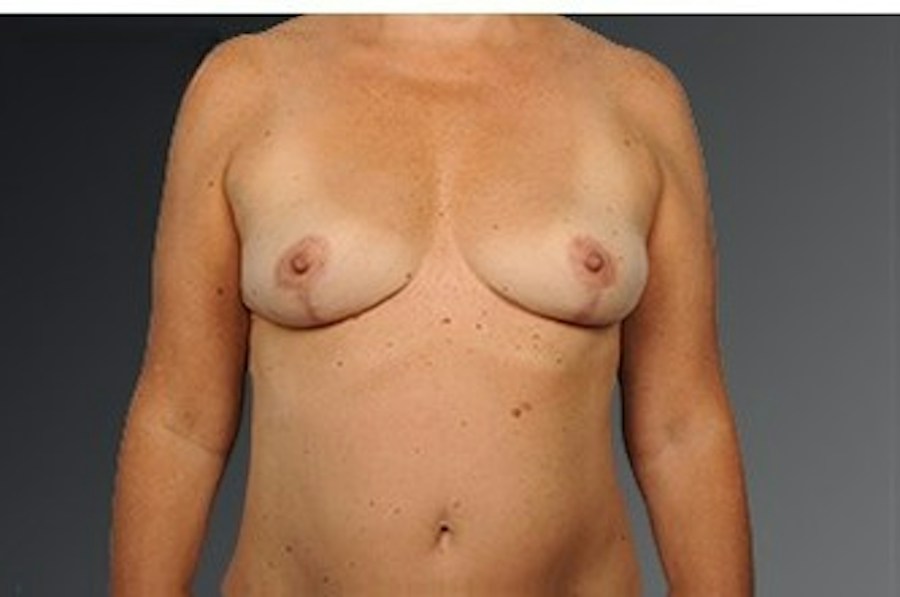
How to Know If You Have a Deflation Rupture

When a saline implant ruptures, it’s obvious within days. You’ll notice a dramatic deflation of the breast, creating significant asymmetry and a flatter appearance. Depending on the severity of the rupture, you may notice an overnight change in the appearance of your breasts or a more gradual transformation.

You may have a deflation rupture if you notice the following:

  • One breast has noticeably lost volume
  • Changes in the size of the breast over several days or weeks
  • One breast feels less full than before
  • Clear asymmetry between the breasts

If you notice any of the above markers alongside pain, tightness, or firmness in the breast, the capsule around your implant may have begun to contract. Contact Dr. Teitelbaum immediately to schedule a consultation and begin your treatment.

Before & After Breast Implant Revision

Adult content

I am 18+ years old

Hub patient media
Banner media

Why Choose Dr. Teitelbaum?

Dr. Teitelbaum is widely recognized as one of the world’s preeminent breast surgeons and is highly esteemed by his peers in the field. He has performed thousands of successful procedures and is trusted by patients in Los Angeles and beyond to treat their breast implant complications.


Academic and Clinical Excellence

Prior to opening his private practice in 1995, Dr. Teitelbaum earned his doctorate from the UCLA School of Medicine, completed his residency at Harvard University, and earned two board certifications in General Surgery and Plastic Surgery. In addition to his patient work, he serves as an Associate Clinical Professor of Plastic Surgery at the UCLA School of Medicine, reflecting his commitment to fostering the next generation of aesthetic surgeons. Dr. Teitelbaum has given lectures on five continents and has completed breast implant research with the FDA. His work has been published in peer-reviewed journals such as Aesthetic Plastic Surgery and Plastic and Reconstructive Surgery, and he’s earned memberships and leadership positions in the following professional organizations:

  • Aesthetic Surgery Education and Research Foundation, 2016-2017 President
  • California Society of Plastic Surgeons, Treasurer and Legislative Committee Chair
  • Aesthetic Surgery Education and Research Foundation, Board Member

A Patient-First Philosophy

No matter the procedure, Dr. Teitelbaum is dedicated to ensuring his patients feel heard and understood while under his care. His focus remains on delivering high-quality, natural-looking results that address your concerns and align with your authentic features. Dr. Teitelbaum’s licensed team, including a Harvard-trained anesthesiologist, adheres to the highest safety and quality standards in the industry and operates at Dr. Teitelbaum’s exclusive surgical center.

Schedule A Consultation

(310) 315-1121 Contact Us
Contact us media
woman sitting, leaning against her leg

Your Confidential Consultation

When treating a deflation rupture, Dr. Teitelbaum begins every patient’s journey with a one-on-one consultation at his Los Angeles office. There, you’ll discuss your symptoms and concerns, and Dr. Teitelbaum will perform a physical examination to confirm your diagnosis. Depending on the state of your breast implants and your medical history, he’ll recommend either an implant replacement or removal and will start building a customized surgical plan.

How Dr. Teitelbaum Treats Deflation Ruptures

If your implant has ruptured, treatment requires removing and replacing the implant as soon as possible to prevent capsular contracture. Most of our Los Angeles patients decide to replace both implants during this procedure to ensure their chest remains balanced and to keep their implants on the same replacement schedule moving forward. If you decide to change the size or shape of your implants, Dr. Teitelbaum will walk you through your options during your consultation.

The sooner your procedure is performed after your deflation rupture, the better. Depending on the state of your breast tissue, Dr. Teitelbaum may need to adjust the size of your implant pocket or remove tightened scar tissue during your replacement. When deflation ruptures are caught early, the treatment surgery is much simpler, and you can avoid major additional work.

Patient-Centered Recovery

Recovery after treating your deflation rupture will depend on whether the breast revision involves a single-breast implant exchange or a complex procedure with a capsulectomy, pocket adjustment, or a dual-breast implant exchange. Most patients can expect mild swelling, bruising, and tenderness for at least a week following their surgery, and you may need surgical drains to support your healing. Light activity is often encouraged early to promote blood flow, but you’ll need to avoid strenuous exercise for up to two months.

After your procedure, Dr. Teitelbaum will share extensive aftercare instructions to support your recovery. This list may include the following items:

  • Incision site care and cleaning protocols
  • Surgical drain maintenance
  • Swelling and pain management strategies
  • Hygiene recommendations
  • Sleep position restrictions
  • Supportive garment guidance
  • Activity limitations

You’ll return to Dr. Teitelbaum’s Los Angeles office several times over the following weeks for follow-up appointments with his team. There, Dr. Teitelbaum will examine your breasts to ensure your healing is progressing normally and the breast tissue has properly settled. Your results will continue to refine as weeks pass, leaving you with beautiful, balanced breasts and healthy implants.

Banner media

Deflation Rupture FAQs

Can I switch from a saline to a silicone implant after deflation?

Yes. Many patients use a deflation rupture as an opportunity to switch to silicone implants for a softer feel and a longer-lasting outcome.

Is saline implant deflation dangerous?

No. Saline is safely absorbed by the body following a leak, so there is no major threat to your health after a rupture. Still, you should get your implants evaluated by Dr. Teitelbaum as soon as possible after you notice a deflation.

Do I need to replace both implants if one deflates?

No. Some patients choose to replace both implants for symmetry, age-matching, or a change in implant type or size, while others opt to replace only the deflated implant, especially if the rupture occurs soon after their primary augmentation. The choice is yours, and Dr. Teitelbaum will provide expert insight during your consultation.

References

Accessibility: If you are vision-impaired or have some other impairment covered by the Americans with Disabilities Act or a similar law, and you wish to discuss potential accommodations related to using this website, please contact our Accessibility Manager at (310) 315-1121.
Contact Us