
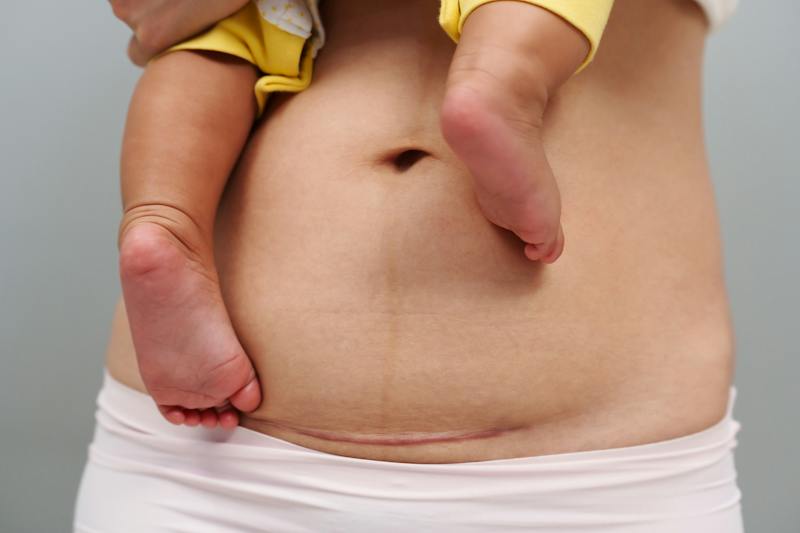
A mommy makeover typically combines procedures such as a tummy tuck, breast surgery, and liposuction, making preparation particularly important. The most important steps include waiting until your body has fully recovered from pregnancy and breastfeeding, reaching a stable weight, obtaining appropriate medical clearance, arranging childcare and household support, preparing your recovery environment, and understanding what to expect during the recovery process. Taking these steps before surgery can improve safety, streamline recovery, and help preserve your results over the long term.
As an internationally recognized aesthetic plastic surgeon, Associate Clinical Professor of Plastic Surgery at UCLA, and former President of the Aesthetic Surgery Education and Research Foundation (ASERF), Dr. Steven Teitelbaum approaches mommy makeover surgery with the same principles that guide every aspect of his practice: careful planning, evidence-based decision-making, patient safety, and natural-looking results. Because recovery affects not only the patient but also her family, work responsibilities, and childcare obligations, thoughtful planning is essential.
This complete pre-surgery checklist explains when to schedule surgery, how to prepare medically, how to organize your home and family for recovery, and what to expect during the weeks following your mommy makeover.
What Is Included in a Mommy Makeover?
A mommy makeover is not a single operation but rather a customized combination of procedures designed to address the physical changes that can occur after pregnancy, childbirth, breastfeeding, and weight fluctuations.
Depending on a patient's goals, a mommy makeover may include:
- Tummy tuck (abdominoplasty)
- Breast augmentation
- Breast lift
- Breast reduction
- Liposuction
- Body contouring procedures
Because every patient presents with different concerns, surgical planning is tailored to each patient's anatomy, medical history, and aesthetic goals.
Timing Your Mommy Makeover Right
One of the most important decisions when planning a mommy makeover is determining when your body is truly ready for surgery.
In most cases, Dr. Teitelbaum recommends waiting approximately 6 to 12 months after giving birth before considering a mommy makeover. This allows your body adequate time to recover from pregnancy and for important physical changes to stabilize, including:
- Hormonal fluctuations
- Abdominal muscle and tissue recovery
- Postpartum swelling
- Weight changes and body composition
Patients who breastfeed should generally wait 3 to 6 months after stopping breastfeeding before pursuing breast surgery. This waiting period allows the breasts to settle into a more stable shape and volume, making surgical planning more accurate and helping to produce more predictable results.
Dr. Teitelbaum also encourages patients to be finished having children before undergoing a mommy makeover whenever possible. Future pregnancies can alter breast shape, stretch abdominal tissues, and potentially reverse many of the improvements achieved through surgery.
Equally important is choosing a time when you can fully commit to recovery. For Los Angeles patients balancing careers, family responsibilities, and active lifestyles, surgery should be scheduled during a period when adequate support is available. Before booking your procedure, consider whether you have:
- Childcare assistance arranged
- Help with household responsibilities
- Time away from work if needed
- Support from a spouse, partner, family member, or friend during the early recovery period
A beautifully executed operation still requires a thoughtful recovery plan. Proper timing allows patients to focus on healing and helps create the best possible long-term outcome.
Arranging Childcare: The Most Important Step for Mommy Makeover Patients
For many mothers, childcare planning is the single most important aspect of mommy makeover preparation. Following surgery, patients are generally prohibited from lifting more than approximately 10 pounds for several weeks.
This means:
- No lifting toddlers
- No carrying young children
- No lifting car seats
- No physically demanding childcare activities
Most patients benefit from arranging at least two weeks of full-time childcare assistance.
Depending on the extent of surgery and the age of the children, some families may require support for four to six weeks.
Making these arrangements in advance can significantly reduce stress and allow the body to heal properly.
Why Weight Stability Matters Before Surgery
One of the most common misconceptions about mommy makeover surgery is that it is a weight-loss procedure; it is not. Mommy makeover surgery is designed to improve contour, shape, and proportion—not replace healthy weight management habits.
Patients generally achieve the most predictable and durable outcomes when they are at or near their goal weight before surgery. As a general guideline, many surgeons recommend being within approximately 10 to 15 pounds of a sustainable target weight.
Weight fluctuations after surgery can affect:
- Breast shape
- Abdominal contour
- Skin tightness
- Liposuction results
- Long-term aesthetic outcomes
Stable weight helps ensure that surgical planning accurately reflects the patient's anatomy and allows results to remain consistent over time.
Medical Clearance and Pre-Op Steps: What to Expect
Pre-Operative Checklist
- Initial consultation and physical examination
- Standardized pre-operative photographs
- Comprehensive medical history review
- Laboratory testing
- Medical clearance from your primary care physician when indicated
- Anesthesia evaluation and clearance
- Review of current medications and supplements
- Detailed discussion of recovery expectations and postoperative restrictions
Smoking Cessation Requirements
- Patients who smoke or use nicotine products are typically required to discontinue all nicotine use at least 4 to 6 weeks before surgery
- Nicotine significantly reduces blood flow to healing tissues and increases the risk of wound healing complications
Medications and Supplements to Avoid
Patients are often instructed to avoid medications and supplements that may increase bleeding risk, including:
- Aspirin
- Ibuprofen
- Naproxen
- Certain prescription blood thinners
- Vitamin E
- Fish oil supplements
- Herbal supplements that may affect clotting
It’s important to note that patients should never stop prescribed medications without their physician's direct guidance.
Setting Up Your Home for Recovery: A Room-by-Room Checklist
Patients should remember that reaching overhead and lifting heavy objects are restricted during recovery. Frequently used items should be positioned between waist and shoulder height before surgery, and compression garments prescribed by the surgical team should also be ready before the day of surgery.
Keep this checklist handy:
Bedroom
- Recliner or adjustable sleeping setup
- Extra pillows for elevation
- Phone charger within reach
- Nightstand stocked with essentials
Bathroom
- Easy access to medications
- Non-slip floor surfaces
- Personal care items positioned at waist height
Kitchen
- Pre-stocked refrigerator
- Healthy snacks
- Prepared meals
- Water bottles and electrolyte beverages
Living Area
- Books, television, or entertainment options
- Recovery supplies within easy reach
- Comfortable seating that minimizes strain
What to Expect the Day of Surgery and Immediately After
On the day of surgery, patients arrive several hours before their scheduled procedure time.
After meeting with the surgical team and anesthesiologist, surgery is performed under general anesthesia. Depending on the procedures involved, a mommy makeover typically takes approximately 3 to 6 hours to complete.
Following surgery, patients recover in a monitored recovery area where nursing staff observe:
- Comfort levels
- Vital signs
- Pain control
- Early recovery progress
Patients return home once they meet established discharge criteria. Every patient must have a responsible adult available to:
- Drive them home
- Assist with medications
- Help with mobility
- Remain with them during the first 48 hours
For patients seeking additional support, Dr. Teitelbaum offers access to Aura After Care, a professional post-operative recovery facility that provides nursing assistance and personalized recovery support.
Week-by-Week Mommy Makeover Recovery Timeline
Recovery varies between patients, but understanding the general timeline helps establish realistic expectations.
Week 1
The first week focuses on rest and healing. Patients can expect:
- Swelling and bruising
- Drain management when applicable
- Limited mobility
- Frequent short walks around the home
- Assistance with daily activities
Week 2
Most patients begin feeling noticeably better. Common milestones include:
- Increased mobility
- Light walking
- Reduced discomfort
- Return to some non-strenuous desk work
Weeks 3-4
Activity levels continue to increase gradually. Patients often experience:
- Improved energy levels
- Continued reduction in swelling
- Follow-up appointments
- Greater independence with daily activities
Heavy lifting remains restricted.
Weeks 5-6
Many patients are cleared for:
- Light exercise
- Increased activity levels
- Expanded daily routines
Restrictions vary depending on the procedures performed and individual healing progress.
Week 8 and Beyond
Most patients can gradually resume full activity. While swelling continues to improve over several months, many patients are enjoying a significant portion of their final results by this stage.
Preparation Is One of the Most Important Parts of a Successful Mommy Makeover
Understanding how to prepare for a mommy makeover is just as important as selecting the procedures themselves. From waiting until your weight and breast anatomy have stabilized to arranging childcare, obtaining medical clearance, and preparing your recovery environment, every step contributes to a safer experience and a smoother recovery.
Dr. Steven Teitelbaum's decades of experience as a board-certified plastic surgeon, UCLA educator, researcher, and leader in aesthetic surgery have reinforced a principle he shares with every patient: successful outcomes begin with thoughtful planning.
If you are considering a mommy makeover and would like individualized guidance regarding timing, candidacy, recovery, and expected results, schedule a consultation with Dr. Teitelbaum to develop a surgical plan tailored to your goals, anatomy, and long-term well-being.
