
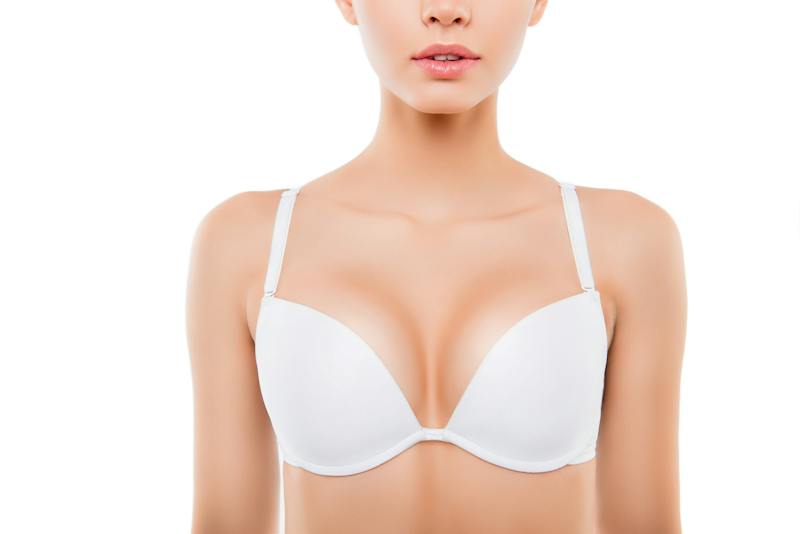
Breast ptosis, commonly called breast sagging, is classified into different grades based on the position of the nipple relative to the inframammary fold—the natural crease beneath the breast. The most widely used system, known as the Regnault classification, includes Grade I (mild), Grade II (moderate), Grade III (severe), and pseudoptosis. These classifications help plastic surgeons determine whether a patient may benefit from a breast lift alone, breast augmentation, a combination of procedures, or a different surgical approach altogether.
Understanding the degree of breast ptosis is one of the most important steps in planning a breast lift. While many patients focus on how "saggy" their breasts appear, experienced plastic surgeons evaluate specific anatomical landmarks, tissue quality, breast volume, and aesthetic goals before recommending treatment.
As an internationally recognized aesthetic plastic surgeon, Associate Clinical Professor of Plastic Surgery at UCLA, past President of the Aesthetic Surgery Education and Research Foundation (ASERF), and frequent educator on aesthetic breast surgery, Dr. Steven Teitelbaum approaches breast lift surgery with the same principles that guide all aspects of his practice: proportion, restraint, evidence-based decision-making, and natural-looking results.
This guide explains the different grades of breast ptosis, how they are diagnosed, and how the severity of ptosis helps determine the most appropriate breast lift technique.
What Is Breast Ptosis?
Breast ptosis is the medical term for the descent of the breast and nipple-areola complex over time. Plastic surgeons primarily evaluate ptosis by assessing the position of the nipple relative to the inframammary fold (IMF), the natural crease where the breast meets the chest wall.
Several factors can contribute to breast ptosis, including:
- Pregnancy and breastfeeding
- Aging and loss of skin elasticity
- Weight fluctuations
- Genetics
- Hormonal changes
- Changes in breast volume over time
While breast ptosis is extremely common, the degree of sagging varies considerably from patient to patient.
Why Plastic Surgeons Grade Breast Ptosis
Classifying breast ptosis is not simply an academic exercise. The grade of ptosis helps determine:
- Whether a breast lift is necessary
- Whether implants alone can achieve the desired result
- Whether breast volume should be increased, reduced, or maintained
- Which mastopexy technique is most appropriate
- The expected scar pattern
- The likely long-term outcome
Because every breast shape is unique, the ptosis grade is only one part of surgical planning, but it provides an important starting point.
Grade I Breast Ptosis (Mild Ptosis)
Grade I ptosis is considered mild breast sagging. In this classification, the nipple sits at or very near the level of the inframammary fold while remaining above most of the lower breast tissue.
Common Characteristics
Patients with Grade I ptosis often notice:
- Slight breast drooping
- Mild loss of upper-pole fullness
- Nipples that remain forward-facing
- A relatively youthful breast shape with early signs of descent
Many women develop mild ptosis after pregnancy, breastfeeding, or modest weight changes.
How It Influences Surgical Planning
Some patients with Grade I ptosis may achieve satisfactory improvement with breast augmentation alone if volume loss is the primary concern. Others may benefit from a limited breast lift or an augmentation-mastopexy combination, depending on their anatomy and goals. A careful examination is essential because the same degree of nipple descent can produce very different aesthetic concerns in different patients.
Grade II Breast Ptosis (Moderate Ptosis)
Grade II ptosis is characterized by the nipple sitting below the inframammary fold while remaining above the lowest portion of the breast tissue.
Common Characteristics
Patients with moderate ptosis often experience:
- Noticeable breast sagging
- Reduced upper-pole fullness
- Lower breast tissue descent
- A breast shape that appears less projected and youthful
At this stage, the changes are usually visible both with and without a bra.
How It Influences Surgical Plannin
Grade II ptosis typically requires a breast lift because repositioning the nipple becomes necessary to restore breast shape and proportion. Depending on the amount of existing breast volume, some patients may choose to combine a lift with breast augmentation to restore fullness in the upper breast. The decision depends on whether the primary concern is position, volume, or both.
Grade III Breast Ptosis (Severe Ptosis)
Grade III ptosis represents advanced breast sagging.
In this classification, the nipple sits well below the inframammary fold and is located at the lowest, most dependent portion of the breast contour. In many cases, the nipples point downward.
Common Characteristics
Patients with severe ptosis frequently notice:
- Significant breast descent
- Marked loss of upper-pole fullness
- Downward-pointing nipples
- Skin excess
- Difficulty achieving the desired shape with supportive garments alone
How It Influences Surgical Planning
Grade III ptosis almost always requires a formal mastopexy procedure to reposition the nipple-areola complex and reshape the breast. More extensive lifting techniques are often required to create a balanced, natural breast contour.
Patients who also desire greater breast volume may be candidates for augmentation-mastopexy, although the decision must be individualized based on anatomy, tissue quality, and safety considerations.
What Is Pseudoptosis?
Pseudoptosis, also called glandular ptosis, differs from traditional breast ptosis.
With pseudoptosis, the nipple remains at or above the inframammary fold, while the lower breast tissue hangs below the fold, creating a drooping appearance. This commonly develops after pregnancy and breastfeeding when breast volume decreases, but excess skin remains.
Pseudoptosis can sometimes be mistaken for true ptosis by patients evaluating themselves in the mirror. However, because the nipple position is relatively preserved, treatment planning may differ substantially from that used for Grade II or Grade III ptosis.
Depending on the patient's anatomy and goals, treatment may involve:
- Breast augmentation
- Breast lift surgery
- Augmentation-mastopexy
- Volume restoration combined with reshaping
Why Breast Volume Matters as Much as Ptosis Grade
One of the most common misconceptions about breast lifts is that ptosis grade alone determines treatment.
In reality, two patients with the same degree of nipple descent may require completely different surgical plans. Factors that influence treatment include:
- Existing breast volume
- Skin quality
- Breast width and shape
- Previous pregnancies
- Weight fluctuations
- Desired breast size
- Degree of asymmetry
- Long-term aesthetic goals
A patient with significant volume loss may benefit from implants, while another patient with adequate volume may achieve excellent results with a lift alone.
How Dr. Teitelbaum Approaches Breast Lift Planning
Dr. Teitelbaum's philosophy is that successful breast surgery is not determined solely by technical execution. It begins with careful evaluation, honest communication, and a thorough understanding of what is realistically achievable.
During consultation, he evaluates:
- Nipple position
- Breast shape
- Tissue quality
- Skin elasticity
- Existing volume
- Symmetry
- Patient goals
Just as importantly, he discusses the advantages, limitations, trade-offs, and expected outcomes of each option.
Rather than pursuing an overcorrected or trendy result, Dr. Teitelbaum's goal is to create graceful, natural breast contours that remain aligned with the patient's overall proportions and anatomy.
Can Breast Ptosis Be Corrected Without Surgery?
Once significant breast ptosis develops, exercise, creams, and non-surgical treatments cannot reliably reposition the nipple or remove excess skin.
While maintaining a stable weight, avoiding smoking, and supporting skin health may help preserve breast appearance over time, surgical lifting remains the most effective method for correcting moderate to severe breast ptosis.
The appropriate procedure depends on the underlying anatomy and the specific grade of ptosis.
Understanding Your Degree of Ptosis Starts With an Expert Evaluation
The different grades of breast ptosis provide a valuable framework for understanding breast sagging, but they are only one piece of a much larger picture. Determining the right breast lift requires evaluating nipple position, breast volume, tissue characteristics, skin quality, and your individual aesthetic goals.
As a board-certified plastic surgeon, Associate Clinical Professor at UCLA, internationally recognized educator, researcher, and leader in aesthetic breast surgery, Dr. Steven Teitelbaum applies decades of experience and evidence-based judgment to help patients understand their options and make informed decisions.
If you are considering a breast lift and would like a personalized assessment of your degree of ptosis and the most appropriate treatment approach, schedule a consultation with Dr. Teitelbaum today to learn how a carefully planned lift can restore balance, proportion, and natural-looking breast shape.
