Before & After
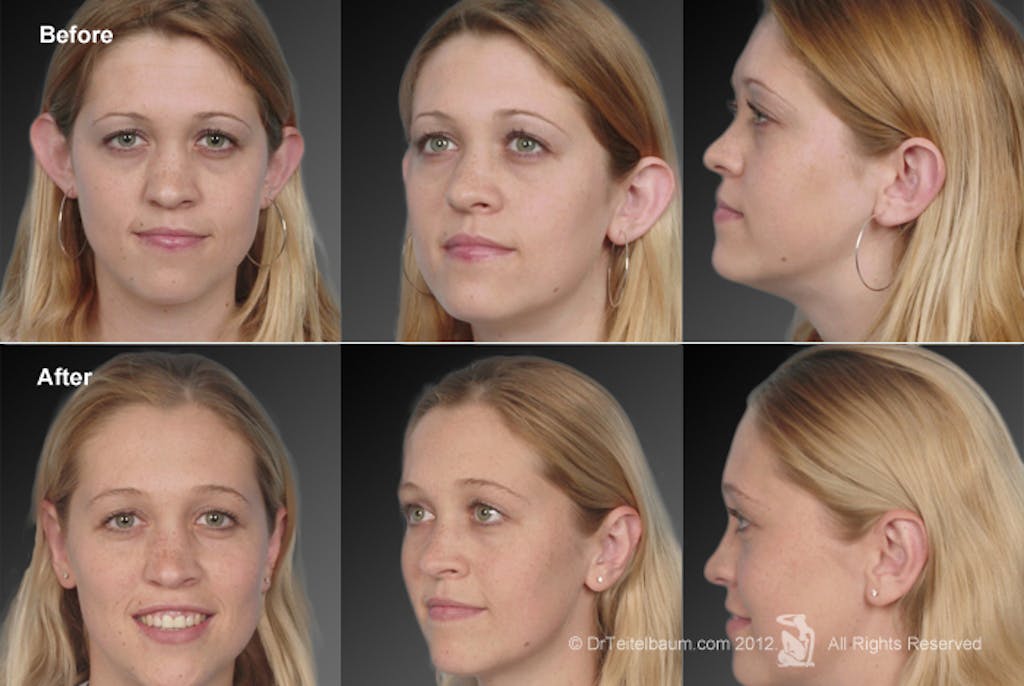
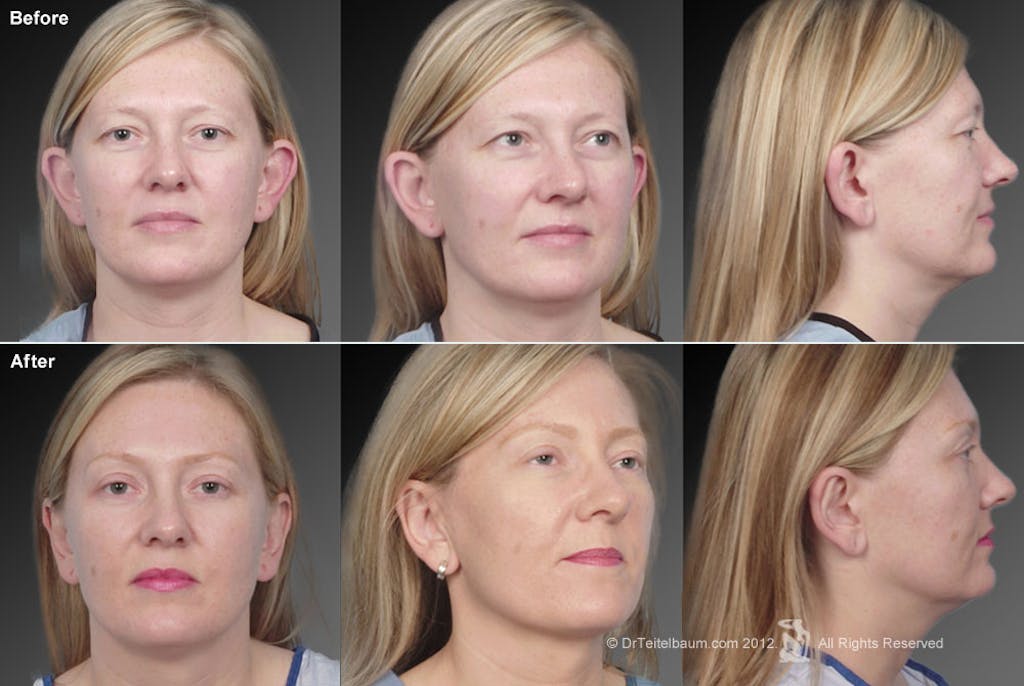
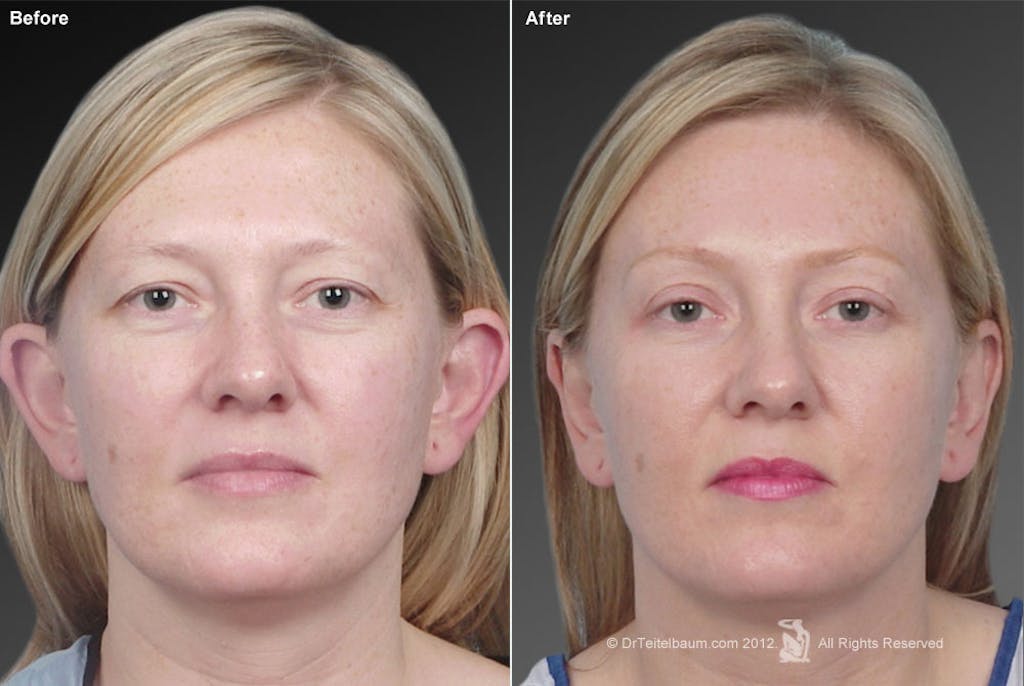
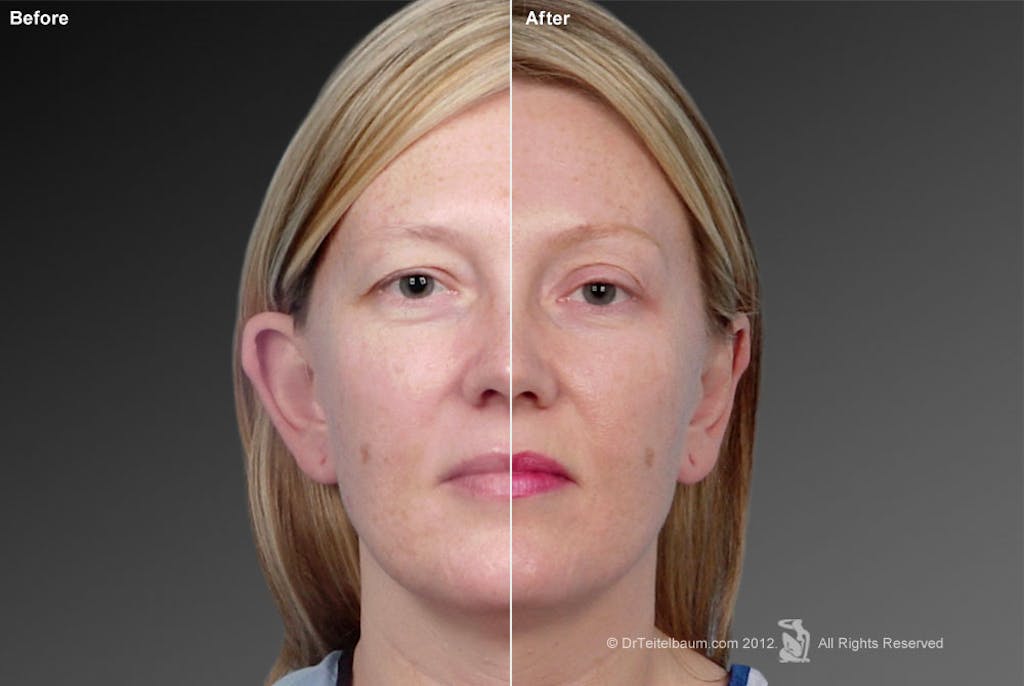
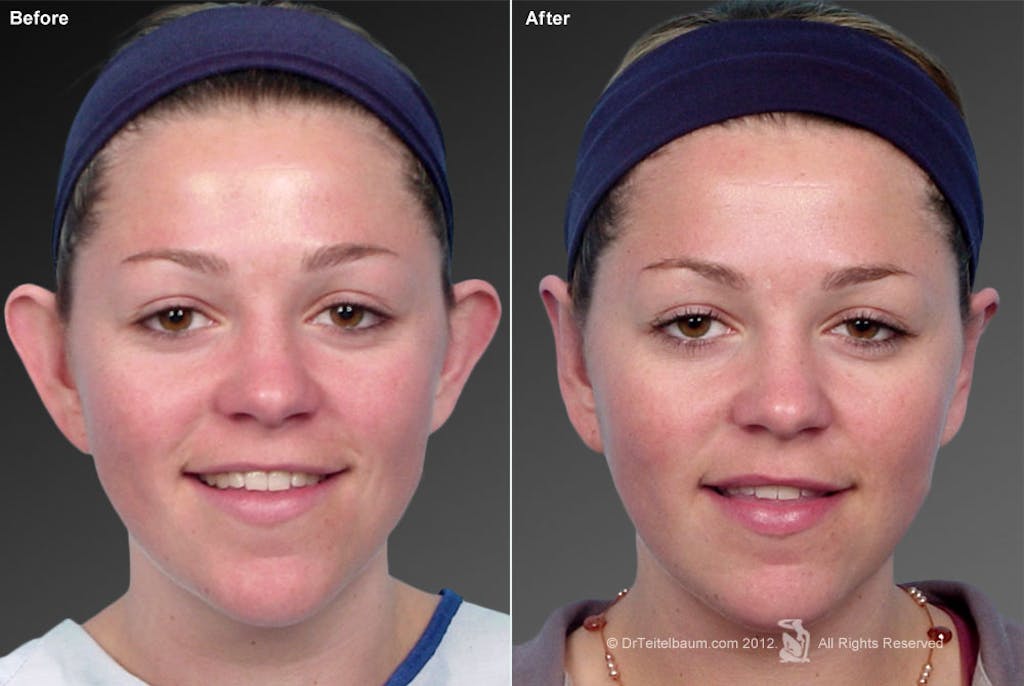
The graceful and complex curves of the ear make it one of the most beautiful and amazing parts of the body. While delicate and soft, the ears are very strong, returning to their original shape after being deformed by actions such as pulling off a tight shirt.
Well-formed ears are a profoundly important component of beauty even though few of us stop to specifically consider this. Otoplasty improves not just the shape of the ears but positions them so that they project from the head at the most beautiful angle.
Otoplasty is a procedure designed to reshape prominent ears, bringing them closer to the head or improving their overall shape. This procedure is commonly sought by both children and adults to correct visible ear deformities and improve facial symmetry. Otoplasty creates subtle but profound changes to the ear’s appearance, enhancing the overall look without being overly noticeable.

Whether done as a child or an adult, otoplasty patients are among the happiest of plastic surgery patients. Though what is actually done is subtle, the overall impact on a patient’s appearance is dramatic.
Two issues typically serve as the cause: the bowl shaped part of the ear (the concha) can be too large, thereby pushing the entire ear out too far from the head. In others, the folds along the edge of the ear are too soft or non-existent and the rim of the ear does not curve back against the head.
This procedure is popular for children just starting grade school as this is an age when teasing begins. But if the parents do not notice, then men and women alike in young adulthood will seek correction. Men will say they never had their hair cut as short around their ears as they would like and women will say that they have been unable to pull their hair back.
Procedure Details: What Happens During Otoplasty?
Otoplasty is often done under general anesthesia for children and local anesthesia for adults. The surgeon makes discreet incisions either behind the ear or inside the ear canal. Dr. Teitelbaum reshapes the ear cartilage, adjusting the position of the ear to create a more natural, harmonious appearance. The procedure typically lasts 1-2 hours and offers long-lasting results with minimal visible scarring.
Otoplasty is often performed on children around the age of five, when their ears have nearly reached their full size. This is also the time when teasing may begin, and a child may become self-conscious about their ear appearance. By addressing prominent ears early, the procedure can help children avoid emotional distress caused by teasing and bullying. Since the ear cartilage is still flexible at this age, the surgery is more straightforward and offers excellent long-term results. After the procedure, children usually experience a smooth recovery and can return to school within a few days, with minimal discomfort and scarring.
Many women seek otoplasty in their twenties and beyond, often after years of feeling self-conscious about their ear appearance. Women frequently express frustration over their inability to wear their hair back due to their prominent ears, and this procedure can provide a significant confidence boost. Otoplasty offers a natural solution to reshape and reposition the ears, making them blend seamlessly with the face. Whether done alone or in conjunction with other procedures like rhinoplasty, otoplasty enhances facial harmony and helps women feel more confident in their appearance. The results are subtle but transformative, allowing for a more refined and balanced facial aesthetic.
Ideal candidates for otoplasty are individuals with prominent ears that stand out from the head. Both children and adults can benefit from this procedure. For children, it is typically done around the age of 5 when ear development is almost complete and when teasing at school begins. Adults, especially women and men, seek otoplasty to improve their ability to wear their hair back without their ears being visible. Candidates should be in good health and have realistic expectations.

Improved Facial Symmetry: Otoplasty enhances the overall balance of the face by repositioning the ears.
Boosted Confidence: Many patients experience a significant increase in self-esteem after their ears are corrected, particularly those who previously felt self-conscious about their ear appearance.
No More Teasing: Otoplasty helps prevent teasing for children and offers adults the freedom to wear their hair back without worry.
Otoplasty on children is always done with a general anesthesia. By the time their ears are developed enough to undergo the procedure their anesthetic risk is very low.
Adults have a choice between local and general anesthesia, or what is called monitored-anesthetic-care, in which the patient is sedated by an anesthesiologist but given local anesthesia.
Some patients simply want to go to sleep and not think about it. Others want to stay awake, and Dr. Teitelbaum is expert at gently providing the nerve blocks that can quickly make the ear numb. So in either case the surgery can be done with comfort.
There are three things Dr. Teitelbaum considers when performing otoplasty: First is the distance the ear should protrude from the face, which is always the predominant request of otoplasty patients. But ears lying too flat against the head are also unattractive, so Dr. Teitelbaum measures the ears very carefully in multiple places to determine the ideal position.
Second is that the ears create a frame for the face, and the ear position needs to be slightly different in everyone. This relates to the proportions of the head such as whether a face is narrow or wide.
Finally, the ear itself should have an exquisite shape. It should not have sharp angles, the lines that outline the ear should flow gracefully, and there should be a harmonious balance between all the component parts of the ear. The goal of otoplasty is to create an ear that is at the beautiful but totally unnoticed consciously.
The ideal age for otoplasty in children is around 5 years old, when the ear has reached nearly full growth and before teasing begins in school. However, otoplasty can be performed safely at any age as long as the child is emotionally prepared and the ear structure has fully matured.
Once the ear structure is fully developed and corrected during otoplasty, the results are generally permanent. However, as with any part of the body, natural aging may cause some minor changes, but the improvements from the procedure should remain visible for many years.
Most patients can return to school or work within 5–7 days, though some swelling and bruising may persist for a few weeks. If necessary, patients can wear a headband to conceal the ears during the initial recovery period.
Yes, the results of otoplasty are generally permanent, as long as the ear cartilage remains stable. However, it's essential to follow the post-operative care instructions to ensure the ears heal properly.
Yes, otoplasty is often performed in conjunction with other facial procedures such as rhinoplasty, facelifts, or even chin augmentation to create a more balanced overall facial appearance.
Otoplasty is a safe procedure, but like any surgery, there are risks involved, including infection, asymmetry, or changes in ear position. Dr. Teitelbaum uses careful techniques to minimize these risks and ensure the best possible outcome.
